
Sonorous Neurovascular has signed up for the kind of trial I usually talk founders out of. On October 2 the FDA approved its investigational device exemption for B-SILENT 2, the first U.S. pivotal trial of a venous sinus stent for pulsatile tinnitus. Enrollment is expected to start this quarter, and the BosSTENT can't be sold in the U.S. until the results are in and the FDA approves it. For this device, I think the trial is the right call.
The frame I usually argue against
When the facts allow it, I push founders to describe a device by what it does mechanically. A claim about access or stability can be supported with bench, usability and engineering evidence. A claim that a device treats a disease invites the FDA to ask for clinical outcomes, and a pivotal trial is the costliest evidence a device company can buy: trial sites, patient follow-up and a budget that has to last until the data comes back.
The BosSTENT carries a disease claim. It is a braided, self-expanding stent designed for the cerebral venous sinuses, the channels that drain blood from the brain. The stent's target is pulsatile tinnitus caused by a narrowed sinus, which patients hear as a whooshing sound in time with their heartbeat. The FDA has authorized no device specifically to treat pulsatile tinnitus.
What the trial buys
Physicians already stent these patients. Dr. Omar Choudhri, a co-principal investigator, said the ARISE II consensus that Choudhri's group published this year recognizes venous sinus stenting as a first-line option for debilitating cases. A consensus records what clinicians judge to be good practice, and Dr. Emanuele Orru, the other co-principal investigator, said patients still deserve decisions grounded in rigorous evidence instead of “extrapolation from devices and indications developed for other conditions.” Both are investigators in the company's trial, quoted in its press release, so their words are advocacy. Even so, with no device authorized for pulsatile tinnitus, it follows that any stent placed in these patients today carries a label written for some other use.
For a company in Sonorous's position, a stent cleared without a tinnitus indication would sit beside that borrowed hardware in the angiography suite, and its sales team could say no more about tinnitus than anyone else's. If B-SILENT 2 succeeds and the FDA approves the indication, Sonorous would hold the first label that names the condition, and with it the right to promote the stent to the physicians already doing the procedure. When doctors already treat a disease with devices built for another job, the indication is the asset, and the trial is the price of it.
What sits in front of the trial
The IDE is the company's third FDA milestone in eight months. In February the stent received Breakthrough Device designation. In April the BosCATH support catheter won 510(k) clearance for introducing therapeutic devices into neuro and peripheral vessels, and it is used with the stent in the company's clinical program. Outside the U.S., the B-SILENT study is enrolling at sites in France and Canada toward a CE mark.
The catheter has no bearing on whether the stent works. What it settles is that this team has taken a device through an FDA review and come out with an authorized product, which leaves one fewer open question for anyone deciding whether to fund the trial.
On any regulated product, I ask early which smaller milestone can take risk off the expensive one, and a component the main device needs anyway is a good place to look. A catheter that has to exist for the stent procedure to happen at all is that kind of component.
Dave's take
In Sonorous's position I'd make the same bet, with one risk in view that no amount of staging reduces: if B-SILENT 2 misses, the catheter and the designation don't add up to the business the company is building toward. A disease claim asks a company to accept that trade. It only makes sense to me when doctors are already doing the procedure with hardware labeled for something else.
From Dave’s video library
A Ninth Circuit ruling on how Intuitive Surgical capped instrument lives brought WP Engine's antitrust claims against Automattic back, and Dave walks through why.
I’m here to help you scale.
Work With DavePrefer a smaller first step? Book a $500 one-hour working session →
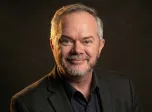
Dave Saunders is the founder of Base Reality Group and a Fractional CPO for product companies. He was a founder and operator at Galen Robotics, where the surgical-robotics platform earned FDA De Novo authorization in 2023, and he managed a 35-patent portfolio licensed from Johns Hopkins. He wrote Founders Who Finish and publishes The Build. More about Dave →