
On September 25 the FDA published its first draft guidance written specifically for surgical robots. The part a founder should read first is Appendix A. It describes umbrella and covered procedures. If a company shows its robot performing a hard, higher-risk operation, that data can often support authorization for easier procedures in the same specialty without new performance data for each one. Which operation a company proves first now sets how much of a specialty it can sell into.
What one umbrella covers
The colorectal table shows the spread. A low anterior resection with inter-sphincteric resection, a deep pelvic operation for rectal cancer, sits at the top as the umbrella for seven covered procedures, from the colectomies down to appendectomy. A right hemicolectomy, which removes the right side of the colon, covers three of those seven. In gastric surgery, a Roux-en-Y bypass covers seven, including sleeve gastrectomy, gallbladder removal and hiatal hernia repair. The reasoning is that the harder operation contains the same or very similar steps as the easier ones, and the agency calls the approach least burdensome.
The draft sets limits. The umbrella approach adds surgical procedures; it does not stretch to a new indication such as treating a particular disease. Umbrella and covered procedures generally sit in the same specialty, though the draft leaves room for one umbrella to span more than one anatomical area later. There is no fixed list, and the FDA asks companies to bring their proposed pairings to a Q-Submission, its pre-submission feedback program. The guidance also leaves out remotely teleoperated robots, autonomous systems and robots that work through blood vessels, so companies building those still negotiate their evidence with the agency one device at a time.
The cheap study buys one procedure
The draft says a robot with no prior U.S. authorization often needs clinical data. The cheaper route is to run that study on the simplest procedure a startup can defend, because a simple procedure means a smaller, faster study. Under this draft, that study buys roughly the procedure it tested. The harder study costs more, takes longer and asks more of the surgeons running it, and if it succeeds it can carry a whole row of the table.
Choosing between those two studies belongs to whoever owns the product. It turns on which hospital departments the company needs as buyers in year three, what those surgeons expect the robot to handle on day one, and whether the company has the cash and the clinical sites to survive the harder trial.
Plan for the reviewer after the Q-Sub
The draft sends the umbrella choice through a Q-Sub, and a founder should use that feedback without banking on it. At Galen, our Q-Sub described a 16-subject cadaver study run by residents, and the FDA wrote back that it sounded fine. In substantive review, the first question was whether we planned to market to residents. I recruited 16 attending surgeons and re-ran the study at Johns Hopkins in two weeks. A regulatory attorney later told me that agreement in a Q-Sub doesn't obligate the team that reviews the file months later. So pick an umbrella the pre-sub supports, and design the study so it holds up for a reviewer who never saw that letter.
Outside surgery, the umbrella choice shows up as a reference customer, a qualification run or a pilot site: a first proof expected to carry the next several sales. When I work with a hardware company, I ask which of those it wants its first customer to pay for. This draft puts a count on that choice for surgical robots. In its colorectal example, the hard operation carries seven procedures and the easy one carries only itself.
Dave's take
I would rather see a surgical robotics company spend longer on an umbrella procedure than race to an authorization that fits one line of the OR schedule. The draft is open for comment for 60 days, and any company with a pivotal study still on the whiteboard should read Appendix A before it locks the protocol.
From Dave’s video library
Dave explains how to find the single riskiest assumption in a product and build the cheapest test that settles it.
I’m here to help you scale.
Work With DavePrefer a smaller first step? Book a $500 one-hour working session →
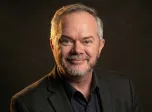
Dave Saunders is the founder of Base Reality Group and a Fractional CPO for product companies. He was a founder and operator at Galen Robotics, where the surgical-robotics platform earned FDA De Novo authorization in 2023, and he managed a 35-patent portfolio licensed from Johns Hopkins. He wrote Founders Who Finish and publishes The Build. More about Dave →