
Picture a founder sizing her Series A around a clearance date. The plan pencils out: submit in the spring, clear by year end, start booking revenue on a device the FDA all but waved through in a pre-submission meeting. Then the review runs months longer than the model assumed, and a runway that looked comfortable at eighteen months turns into a countdown. New numbers out this month say that founder is now the base case, not the unlucky exception. FDA device approvals are climbing and the time to earn them is stretching at the same time, and the space between those two facts is where hardware companies get hurt.
The number that moved
The data comes from a BTIG research note by analyst Ryan Zimmerman, reported by MedTech Dive. Through June, the FDA granted 23 premarket approvals, its most stringent device review, up from 13 in the same stretch last year. More approvals is the good news. The catch is timing. The average wait for a premarket approval reached almost 599 days in the first half of 2026, against roughly 402 days a year earlier. A few slow outliers pulled that average up, but the direction is not in doubt. The lighter pathways moved too, just less. The average 510(k) decision ran about 156 days, a week or so longer than last year, across 1,669 clearances. De Novo classifications held at 14, with review time up a little over eight percent.
Zimmerman made the operator point himself: longer decisions matter most for capital runway and demand forecasting, and most of all for smaller companies bringing something new to market. Sit with that. A slower clock does more than push a milestone to the right. It rewrites the runway math every early-stage hardware company runs, and that clock belongs to someone else.
Treat the clock as a product input
For a Series A hardware founder, a stretching approval timeline is a product and finance decision before it is a regulatory one. Three habits keep a longer clock from becoming a fatal one.
Model runway to the date you would hate, not the date you hope for. A pre-submission meeting that goes well is one reviewer’s read on one day, not a promise. I watched this at Galen. We told the FDA in a Q-submission that we would run a sixteen-subject cadaver study with residents, and the agency wrote back, sounds great, go for it. In substantive review they turned around and questioned the exact study design they had approved in writing, and I had two weeks to recruit sixteen attending surgeons and re-run the whole thing. The timeline moved because a clock I did not control moved. Budget for that version of events, not the friendly one.
Keep your indication and your study population tight, because both are claims, and loose claims add months. The cleaner the thing you are asking the FDA to agree with, the faster it tends to go. This holds well past medtech. A defense supplier waits on a certification authority, a grid-hardware startup waits on interconnection approval, an aircraft company waits on the FAA. The name on the gate changes. The fact that you do not own it does not.
Keep the commercial story alive so a delay does not zero you out. Revenue, costs, and runway are the three numbers that decide whether you reach the approval at all, and runway does not care about your ambition, it cares about math. The founders who survive a long clock tend to have a way to earn or conserve while they wait, rather than betting the company on a single date landing on schedule.
Dave’s take
A longer approval clock does not kill hardware companies. A runway modeled to the optimistic version of that clock does. Read the BTIG numbers as a planning input rather than a complaint and they are a gift: build to the date you would hate, keep your scope tight enough to be believed quickly, and hold enough cash that a six-month slip is an inconvenience instead of an obituary. The founders who cross the prototype-to-product gap treat the regulator’s calendar as a fixed cost they already budgeted for, not a surprise that shows up late.
From Dave’s video library
Dave on the handful of numbers a founder actually needs to watch, including the runway math that decides how long you can afford to wait on a slow approval.
I’m here to help you scale.
Work With DavePrefer a smaller first step? Book a $500 one-hour working session →
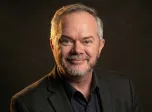
Dave Saunders is the founder of Base Reality Group and a Fractional CPO for product companies. He was a founder and operator at Galen Robotics, where the surgical-robotics platform earned FDA De Novo authorization in 2023, and he managed a 35-patent portfolio licensed from Johns Hopkins. He wrote Founders Who Finish and publishes The Build. More about Dave →