
Buy a cleared medical device from another company and, as far as FDA is concerned, you've bought a number. FDA's final guidance on transferring 510(k) clearances, issued November 20, lists what comes with that number: a listing and a short set of filing duties. The design and test records that let you change the device later come only if the purchase agreement brings them.
What FDA requires after the sale
If the device isn't significantly changed in design, components, method of manufacture or intended use, the new owner doesn't file a new 510(k). FDA's reasoning is that a buyer who keeps selling the same device isn't introducing anything new to the market. The new holder registers its establishment within 30 days and lists the device under the original 510(k) number, which stays the same. If the name on the label changes, so must the device's record in GUDID, FDA's unique device identification database. Miss the registration, the listing or the GUDID update, and the guidance says the device may be considered adulterated or misbranded.
A clearance has one holder at a time. FDA says that's how it tracks adverse events and knows whom to call, including when it needs a firm to start a recall right away. Contract manufacturers, contract sterilizers, repackagers and relabelers list the device under that holder's 510(k) number. For unusual deal structures, FDA points companies to its 510(k) staff.
What FDA won't do for you
FDA commonly receives letters from new owners asking the agency to update its databases after a transfer. The guidance says FDA isn't required to act on those letters, so registration and listing stay current only if the owner keeps them current. The public 510(k) database also keeps showing the original applicant after a sale, so anyone who looks up the clearance will find the seller's name on it.
For copies of the 510(k) file itself, the guidance names two routes: ask the previous owner, or file a Freedom of Information Act request. A FOIA release is the public version of the file, which typically withholds the seller's confidential commercial information.
Changing the device later
Sooner or later the buyer will want to swap a supplier, move production or update the software. FDA's separate guidances on device changes then ask whether the change is significant enough to need a new 510(k). To make that call, the buyer needs the original test reports, the design history and the risk file, because nobody can argue a change leaves performance alone without knowing what the cleared device was shown to do. A buyer who has the number without those records can keep shipping the device exactly as it is. The first change of substance could mean paying again for evidence the seller already generated.
Those records are a deal term, like inventory and tooling. On the buy side, the purchase agreement should name the design history file, the verification and validation reports, the risk management file, the complaint history and the supplier controls, and they should change hands at close. If the seller is shutting down, there may be nobody left to ask once the deal closes.
Founders who never plan to sell
Founders who own a clearance and have no plans to sell can apply the same significant-change test to their own files. If a stranger bought your product line tomorrow, could they decide from those files alone whether next quarter's supplier change needs a new 510(k)? A new quality lead has to make that call too, and an investor's diligence team will ask how you'd make it.
Dave's take
Before putting a value on a cleared device, I want its change history since clearance: each supplier swap, software update and production move, with the reasoning for why it did or didn't need a new 510(k). That history shows whether the seller's files can support the next change, and supporting the next change is what a buyer uses a clearance for.
From Dave’s video library
This week's Monday MedTech on Sonovein, which FDA has authorized to seal varicose veins from outside the skin.
I’m here to help you scale.
Work With DavePrefer a smaller first step? Book a $500 one-hour working session →
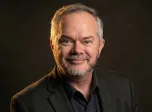
Dave Saunders is the founder of Base Reality Group and a Fractional CPO for product companies. He was a founder and operator at Galen Robotics, where the surgical-robotics platform earned FDA De Novo authorization in 2023, and he managed a 35-patent portfolio licensed from Johns Hopkins. He wrote Founders Who Finish and publishes The Build. More about Dave →