
Medtronic reported in September 2025 that its Hugo surgical robot had met the primary endpoints of a pivotal hernia-repair study. At that point Hugo had no U.S. clearance at all. The first came that December, for urologic procedures such as prostate removal. On November 17, an expanded 510(k) added general surgery: all upper abdominal procedures, including gallbladder removal and Roux-en-Y gastric bypass, plus inguinal hernia repair and appendectomy. Medtronic puts those at about 3.5 million U.S. surgeries a year, more than half of the country's soft-tissue operations. For a founder building a robot or any device with several clinical uses, Hugo's record shows how to sequence the labels: pivotal data for the second specialty was in hand before the first label existed.
Each specialty is its own submission
A clearance covers the uses written into the device's indications for use. Under the December label, Medtronic could market Hugo to hospitals for urology. A general surgeon was free to use it for a hernia repair, but Medtronic couldn't promote that use. Adding a specialty meant going back to the FDA with evidence for the new procedures.
Medtronic started gathering that evidence well before its first clearance. Besides the hernia study, it began a U.S. gynecology trial in October 2025, for the other specialty it said would follow. Competitors were heading for general surgery too. Johnson & Johnson won FDA authorization for its Ottava robot for general surgery in July 2026, and in October Stryker agreed to distribute CMR Surgical's Versius robot in the U.S. Had Medtronic waited for the urology clearance before starting the hernia study, it would have reached that market a full pivotal trial later.
Why a narrow first label works
Hospitals buy a surgical robot on how many cases it will run, because the capital cost gets spread across those cases. A narrow first label limits the cases. When Hugo was first cleared, Stifel analysts predicted a slower U.S. rollout, with momentum building once the system had more labeled indications. Outside the U.S., where surgeons already use Hugo in urology, gynecology and general surgery, Medtronic says general surgery is now the robot's fastest-growing area.
A slow first year is worth accepting when the next label is already on its way. A first indication earns its place by being clearable: the evidence is something the company can finish and defend, and the FDA review is one it can predict. It gets the robot into hospitals and starts the installed base. The case for heavy use can rest on the second and third submissions, as long as their studies start before the first clearance and the gap between labels stays short.
What the sequence asks of a smaller company
Medtronic ran a pivotal general surgery study and started a gynecology trial before its first clearance. A startup building a surgical robot, an imaging system or a diagnostic platform may only be able to pay for one study beyond its first, so it has to pick which. That pick belongs to whoever owns the product, the CPO in a company that has one, because it decides which hospitals buy and how often the machine runs. The regulatory team then builds each submission around it. The question I ask is which use will fill the robot's schedule in its second year in hospitals, and whether the study for that use is already funded.
Dave's take
A robot cleared for one specialty is a sales problem with an FDA letter attached. I put the indication sequence in the roadmap before the first submission goes in, with a study and a budget line against each step. If the money covers only one more study, I want it enrolling while the first submission is still at the FDA.
From Dave’s video library
Today's Robot Roundup covers how Boston Dynamics redesigned its Stretch robot to need fewer repairs.
I’m here to help you scale.
Work With DavePrefer a smaller first step? Book a $500 one-hour working session →
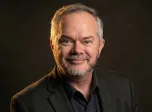
Dave Saunders is the founder of Base Reality Group and a Fractional CPO for product companies. He was a founder and operator at Galen Robotics, where the surgical-robotics platform earned FDA De Novo authorization in 2023, and he managed a 35-patent portfolio licensed from Johns Hopkins. He wrote Founders Who Finish and publishes The Build. More about Dave →