
Waymo's own safety committee restricted its robotaxis' freeway driving twice this spring. The first time was in April, after Waymos in Phoenix drove past ramp-closure signs into construction zones. The second was after May 18, when seven in the Bay Area drove between lane cones into active construction. In June, Waymo recalled the driving software in 3,871 vehicles. On November 11, after three Waymos entered a construction closure on US 101 near Burlingame, California's DMV barred the company from every freeway in the state.
The order says the new incidents came "despite a prior restriction and corrective actions implemented" after May. What gets Waymo back on the freeway is a test the DMV has defined, and it covers more than the problem Waymo recalled for. A founder shipping autonomy would rather draw the problem that wide before a regulator draws it for them.
What Waymo's process got right
A field safety committee began meeting on April 20, the day after five of the Phoenix events, and held freeway driving back until mitigations were in place. After May 18 it restricted freeway driving again until root causes could be found. In June a safety board asked for more data and a week later chose a recall, with a software remedy and added operational protocols. Waymo owns every affected vehicle, so it will apply the remedy itself and needs no owner letters. When the DMV acted in November, Waymo restricted freeway operations in its other markets as well, and it says the 101 encounters involved no injuries or collisions.
Two different sizes of problem
The recall defines the defect in two parts. The vehicle may enter a construction zone at speed by "inappropriately prioritizing the avoidance of other freeway hazards," or because it fails to recognize the zone. The first part is a decision rule, where the car weighs one hazard against another and picks wrong. The second is perception. As written, both parts are about construction zones, and the remedy the filing describes is software for avoiding and detecting them.
The DMV's condition for lifting the ban is wider. Waymo has to show "effective corrective actions" and give evidence that its vehicles can safely detect and respond to construction zones, emergency vehicles and other roadway situations within their operational design domain. The order also cites an incident on Highway 280 in San Francisco, where a Waymo tried to drive past California Highway Patrol officers during a traffic stop. I read that list as one class of failure: a car meeting a road scene that people have rearranged around it, whether with cones or with a patrol car.
Medical devices already have a name for this
Device makers handle a fix like Waymo's through a CAPA (corrective and preventive action) process, and ISO 13485, the quality-system standard they certify to, requires a review of whether each corrective action was effective. That review is only as good as its scope. A check written against the incident that opened the CAPA can pass while the class of failure it belongs to keeps turning up in the field.
For anyone putting surgical robots, warehouse fleets, drones or cars into the field, the scope gets set before the code: how many encounters with the failure condition, under what conditions, and what outcome counts as a pass. Waymo's freeway rides, opened to public riders in November 2025, now wait on California's condition, while its city service keeps running at more than half a million trips a week by the company's count.
Dave's take
Waymo restricted its own cars twice and recalled the software in every car capable of driverless freeway driving, and I'd want any client to move that fast. Where I'd push is the size of the problem statement. When a field failure lands on my desk, I ask what class it belongs to before anyone writes the fix, because a regulator who has to ask that question for you will also decide when you're done.
From Dave’s video library
Today's Teardown looks at why Synchron paused its brain implant trial over a single cable.
I’m here to help you scale.
Work With DavePrefer a smaller first step? Book a $500 one-hour working session →
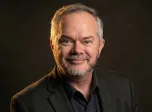
Dave Saunders is the founder of Base Reality Group and a Fractional CPO for product companies. He was a founder and operator at Galen Robotics, where the surgical-robotics platform earned FDA De Novo authorization in 2023, and he managed a 35-patent portfolio licensed from Johns Hopkins. He wrote Founders Who Finish and publishes The Build. More about Dave →