
Andrea Corda, the chief technology officer at ANYbotics, says his team kept asking what could turn a walking robot into an ignition source. On Tuesday their answer, the four-legged inspection robot ANYmal X, began customer deliveries into the explosive areas of oil, gas and chemical plants. That is more than three years after the mid-2023 date ANYbotics set when it opened orders in 2022 with over 500 units reserved. The certificate it shipped with also works as a map of the plants it can sell into.
Why a walking robot is hard to certify
Equipment that enters a hazardous area has to be certified as unable to ignite the gas around it. Fixed equipment usually gets there with a heavy explosion-proof enclosure, or by running on so little electrical energy that it can’t make a spark. A legged robot needs strong motors, a big battery and exposed sensors in a frame light enough to climb stairs.
So ANYbotics protected it part by part. The computer and inspection gear sit in sealed chambers filled with nitrogen, and all twelve leg actuators and the battery have flameproof casings. Conductive feet ground the robot, and energy barriers guard charging and data. Bureau Veritas, an independent certifier, examined the design and issued the ATEX certificate, the European Union’s approval for equipment used in explosive atmospheres.
What the rating lets in, and what it keeps out
The rating is Zones 1 and 2, Gas Group IIB, temperature class T4. Zone 1 is an area where an explosive gas mixture is likely to form now and then in normal operation; Zone 2 is one where it forms only under abnormal conditions. The gas groups rank how easily a gas ignites, and IIC is the hardest to protect against. T4 caps the robot’s hottest surface at 135°C.
ANYbotics’ FAQ lists what that leaves out: Zone 0, where explosive gas is present continuously or for long periods; explosive dusts; and the IIC gases, hydrogen and acetylene among them. The robot also charges and refills its nitrogen outside the hazardous area, so every mission starts and ends at a dock in a safe zone.
The hydrogen exclusion lands on climate hardware. Where a site has gas areas classified for hydrogen, around electrolyzers or hydrogen storage for instance, those areas fall beyond this certificate. A hydrogen operator who wants a walking inspector on those rounds needs a robot certified a group higher, and that probably means more design work.
Surgical robotics has its own version of this scope document, the cleared indication, and partners read it first. The robot I developed used third-party instruments, and the instrument makers pressed us on whether we’d use their tools only for what those tools were already cleared to do. Their liability lived inside our scope, so they read it before they read our spec. In a classified plant the rating carries the same weight, because equipment has to be rated for the area it enters. A robot whose zone, gas group or temperature class doesn’t match stays out of that area.
The international certificate waits on the factory
IECEx, the international counterpart to ATEX, hasn’t been issued yet. ANYbotics says the IECEx certificate needs an audit of the series production line, which starts after launch. For any buyer who needs IECEx, the production line is now on the critical path. Hardware founders certifying a product meet the same order of events: the international certificate comes after the line that builds the product exists and has been audited, so the factory schedule decides when those sales can start.
Dave’s take
For ANYmal X, IIB and T4 took nitrogen-sealed electronics and flameproof casings on twelve actuators, and a hydrogen rating would likely ask for more. I’d put the target rating on the first page of the product requirements, next to the names of the customers it lets in. Then I’d argue that trade in the open, before the certifier sees a drawing.
From Dave’s video library
In today’s Robot Roundup, I look at ANYmal X reaching customers more than three years after its first planned delivery date, and ask how many of the 500 reservations turned into orders.
I’m here to help you scale.
Work With DavePrefer a smaller first step? Book a $500 one-hour working session →
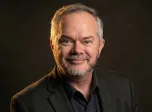
Dave Saunders is the founder of Base Reality Group and a Fractional CPO for product companies. He was a founder and operator at Galen Robotics, where the surgical-robotics platform earned FDA De Novo authorization in 2023, and he managed a 35-patent portfolio licensed from Johns Hopkins. He wrote Founders Who Finish and publishes The Build. More about Dave →