
Zenflow won FDA approval for its Spring implant in December 2025. It treated its first commercial patient in July, and by early September four centers had done the procedure. On Monday the company said Cook Medical had led a $52 million Series D and would become the only U.S. distributor of the device. Ten months after approval, Zenflow's launch runs through another company's urology sales force. A founder weighing the same trade needs numbers from the company's own first sites before signing, because those numbers are the only thing a distribution contract can be measured against.
What Cook brings to a crowded market
Spring treats an enlarged prostate. During an office procedure, a urologist places a small nitinol expander in the urethra, where it holds the prostate's lobes apart so urine can flow. Boston Scientific, Olympus and Teleflex already sell minimally invasive treatments for the same condition to the same specialists. The result Cook's reps will carry into those offices comes from Spring's pivotal trial: 60 percent of treated patients improved their symptom score by at least 30 percent at one year, compared with 33 percent of patients who got a sham procedure.
Cook already has relationships with urologists across the country, and MedTech Dive reports that Cook will use them to launch Spring. Zenflow keeps the design, the clinical program and its obligations as the manufacturer, so the FDA still holds Zenflow answerable for every device a Cook rep sells.
What to settle before you sign an exclusive distributor
The numbers from your own first sites come before anything else. A distributor's first year can only be judged against what selling took when you did it: how long from first call to first procedure, how many supervised cases a physician needed before working alone, which sites stalled and why. Without them, a slow year from your partner looks exactly like a long sales cycle.
If early procedures need a company specialist beside the physician, the agreement should say whose specialist it is, who pays for the travel, and when the distributor's own reps take over.
A complaint about the device may first reach a distributor's rep in a clinic hallway. The manufacturer still has to record and evaluate it, and report serious adverse events to the FDA on deadlines the agency sets. A complaint that waits two weeks in a rep's inbox becomes the manufacturer's late report, so the handoff and its deadline belong in the contract.
An exclusive deal should spell out how it ends. Sales minimums should come from the numbers your own sites produced, territory by territory, along with the steps for taking a territory back when the minimums are missed.
When the distributor also led your round, you are setting those minimums with the investor that just priced your stock. Write them into the distribution agreement before the round closes, while the financing and the contract are still being negotiated together.
A sales hire needs the same groundwork
Today's Founder Tip Tuesday episode covers the other way to staff a launch: hiring a head of sales. A recruiter there describes a founder who wanted that hire before deciding the first indication, who would own physician training, or what the first hospital needed to see. Signing a distributor leaves those same decisions open. Physician training becomes the case-support clause, and the first hospital is where the baseline numbers start. Whether the seller is a hired executive or a partner's reps, the founder has to make those calls first, from what the first sites showed.
Dave's take
Cook's reach is a sensible thing to buy when three incumbents already call on the same urologists. For a founder weighing a deal like this, the work that makes it safe happens before signing. Run enough of your own cases that the minimums in the contract come from numbers you produced.
From Dave’s video library
Dave's Founder Tip Tuesday episode on the answers a hardware company needs before it hires a sales leader, with CMR Surgical's U.S. launch as the example.
I’m here to help you scale.
Work With DavePrefer a smaller first step? Book a $500 one-hour working session →
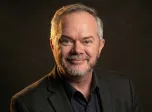
Dave Saunders is the founder of Base Reality Group and a Fractional CPO for product companies. He was a founder and operator at Galen Robotics, where the surgical-robotics platform earned FDA De Novo authorization in 2023, and he managed a 35-patent portfolio licensed from Johns Hopkins. He wrote Founders Who Finish and publishes The Build. More about Dave →