
On July 29, Integra LifeSciences told investors that flooding at its Cincinnati manufacturing site wouldn't have a material effect on its 2026 guidance. Today it cut the guidance. The flood took about $7 million out of third-quarter revenue. Integra expects it to take another $15 million to $20 million out of the fourth, and the site won't be back to full manufacturing until the second quarter of 2027. The revised revenue range, $1.634 billion to $1.654 billion, also reflects new assumptions for the rest of the business, so not every dollar of the cut is the flood.
The Cincinnati site makes and supports several products in Integra's specialty surgical portfolio, and the company had a plan in place for it. It drew down available inventory, switched on alternate sources it had already established for certain products, and leaned on property and business interruption insurance that it expects to offset a substantial portion of the earnings hit. Inventory, a second source and insurance are the three defenses a company that makes its product in one place gets to choose from. Each one protects something different, and none of them protects the customer who needs the product this month.
Inventory buys weeks
Finished goods on a shelf keep orders shipping while the plant is down, for as many weeks as the stock lasts. Integra's flood damaged inventory along with the equipment and the building, because product stored at the plant floods with the plant. Count weeks of cover per product, and count only stock held somewhere the same storm can't reach.
A second source buys specific products
Integra's alternate sources apply only "for certain products." Qualifying a second source for a medical device takes months of work before anything goes wrong. You audit the supplier, validate the process on their line, and test their output against your specification. That effort goes to the products that carry the revenue, or the ones patients can't wait for, and the rest of the catalog carries the gap.
Insurance buys back the earnings
Business interruption coverage replaces lost profit while the plant is down. It doesn't put product on a hospital's shelf. A surgeon who spends most of a year using a competitor's device while yours is short may stay with it after your plant reopens, and the policy pays nothing for that.
Measure the outage from the customer's side
That surgeon's decision runs on a clock none of the three defenses controls directly: for each product, the weeks between the plant going down and the hospital's shelf going empty. Offsite inventory lengthens the clock. A qualified second source stops it for the products it covers. Insurance leaves it running.
Today's Failure Modes Friday is a case of a number calculated too late. After the Francis Scott Key Bridge collapsed in Baltimore, the NTSB ran a vulnerability assessment and found the bridge almost 30 times over the acceptable risk threshold for a ship strike. The bridge's owner had never run that assessment against the ships using the channel. The weeks-to-empty-shelf number for a product made in one place can be worked out today, in a spreadsheet. For each product I run, I want three answers: how many weeks of stock sit outside the plant, how many validated lines can make it right now, and which customers would switch to a competitor before we could ship again.
Dave's take
Integra's July estimate said the flood wouldn't move the year, and two months of recovery work changed it. I want the product-by-product version of that estimate made before the water comes in, while there's still time to close the gaps it turns up.
From Dave’s video library
Today's Failure Modes Friday: the NTSB found the Key Bridge almost 30 times over the acceptable risk threshold for a ship strike, a number nobody calculated before the collapse.
I’m here to help you scale.
Work With DavePrefer a smaller first step? Book a $500 one-hour working session →
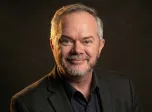
Dave Saunders is the founder of Base Reality Group and a Fractional CPO for product companies. He was a founder and operator at Galen Robotics, where the surgical-robotics platform earned FDA De Novo authorization in 2023, and he managed a 35-patent portfolio licensed from Johns Hopkins. He wrote Founders Who Finish and publishes The Build. More about Dave →