
During the COVID-19 emergency, a developer asked FDA to authorize a molecular test validated on 12 positive samples. The test caught all 12. FDA asked for more, the developer ran 12 more, and positive agreement across all 24 fell to 71 percent. The request was withdrawn. FDA tells the story in a footnote to the final guidance it issued this week on validating diagnostics for emerging pathogens, as its example of what goes wrong when a test is judged on too few specimens.
RAPS reports that the final version trims the analytical studies a developer is expected to run from 15 to five. That shorter list is where the work starts. The specimens a team can get early in an outbreak, both their kind and their number, decide how much of the trimmed work comes back.
The kind of specimen
The guidance replaces a January 2025 draft and covers tests seeking emergency use authorization under section 564 of the Food, Drug, and Cosmetic Act. Its five core studies are limit of detection, inclusivity against related strains, specimen stability, a combined safety and software check on the instrument, and usability and flex studies, which apply to point-of-care and home tests.
Cross-reactivity, microbial interference, and interference from other substances moved to a section on potential additional testing. FDA says those studies should generally be run whenever the clinical evaluation doesn't use real patient specimens. Real specimens are often scarce early in an outbreak. The guidance then accepts archived patient samples, and after those, contrived samples made by spiking the pathogen into specimens from people who don't have it. When no pathogen is available to spike, it accepts synthetic material. A team whose clinical evaluation rests on contrived or synthetic samples should expect to run the interference studies, and its authorization will likely carry a condition requiring a clinical study with natural specimens once that becomes feasible.
The number of specimens
The draft asked for at least 30 positive and 30 negative specimens against a highly sensitive comparator. After comments from the Association for Molecular Pathology, the final text lets the number vary with the pathogen, the test, specimen supply, and the stage of the outbreak. For viral nucleic acid tests, once natural samples and comparators are available, it still names 30 and 30, and a footnote calls that the minimum FDA considers adequate in an outbreak.
The 12-sample test is that footnote's example of how fewer specimens can mislead. The same footnote gives the older benchmarks. Emergency authorizations before COVID rested on 50 positives and 50 negatives, all contrived in a lab. Outside an emergency, FDA has generally expected developers to keep testing incoming patients' specimens until at least 50 came back positive.
Planning around specimen supply
So the workload depends on what a team can get. A developer with archived positives and a test that runs on a lawfully marketed instrument, where FDA says instrument-specific validation may not be needed, can stay close to the five. A home test validated on contrived samples adds the interference panel to the usability and user comprehension studies that FDA already calls for with home use.
FDA describes the emergency standard as asking for less evidence than a full approval. A developer that plans to keep selling after the emergency will need the higher standard eventually, and a condition requiring natural-specimen data already points that way.
Dave's take
The useful way to read a trimmed checklist is by what brings each dropped item back, because those triggers become the actual plan. Here the trigger that brings back the most studies runs through specimens, so specimen sourcing belongs on the engineering plan next to the assay.
From Dave’s video library
Today's episode of The Teardown covers the deal that makes Axon the only seller of Skydio drones to US police and fire agencies.
I’m here to help you scale.
Work With DavePrefer a smaller first step? Book a $500 one-hour working session →
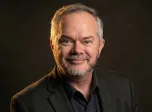
Dave Saunders is the founder of Base Reality Group and a Fractional CPO for product companies. He was a founder and operator at Galen Robotics, where the surgical-robotics platform earned FDA De Novo authorization in 2023, and he managed a 35-patent portfolio licensed from Johns Hopkins. He wrote Founders Who Finish and publishes The Build. More about Dave →