
Medtronic disclosed a structural reorganization of its cardiovascular business this week, combining Structural Heart, Coronary, and Renal Denervation into a new Interventional Cardiology Therapies operating unit and merging Cardiac Surgery with Aortic into a new CardioVascular Surgery unit under newly promoted president Karim Bandali. MedTech Dive reported on May 12 that the company is closing its Santa Rosa, California, facility over the next two years, with operations shifting to Santa Ana, Minneapolis, and Galway, Ireland, and roughly 370 employees affected. Intuitive Surgical reported Q1 2026 results with 431 da Vinci systems installed globally and revenue of $2.77 billion, up 23% year over year. The Medtronic reorganization signals what kind of integrated stack the largest medtech strategic acquirer is committing to in the interventional cardiology category, and how the strategic-acquirer evaluation will read interventional platforms through the rest of 2026 and 2027.
Medtronic Builds Interventional Cardiology Therapies as a Single Operating Unit
Medtronic announced the reorganization through a spokesperson statement to MedTech Dive, with the company combining its Structural Heart, Coronary, and Renal Denervation businesses into a new Interventional Cardiology Therapies operating unit intended to strengthen focus and investment across the interventional cardiology continuum. Company spokesperson Justin Paquette positioned the integration as a way to advance the company’s strategy across these critical business areas. The three constituent businesses each anchor distinct interventional categories, with Structural Heart covering transcatheter aortic valve replacement and adjacencies, Coronary covering drug-eluting stents and percutaneous coronary intervention consumables, and Renal Denervation covering the Symplicity Spyral platform for resistant hypertension. The new operating unit consolidates strategic, commercial, and operating decision rights across the three businesses, with the practical implication that capital allocation, commercial channel architecture, and clinical-evidence investment now run through a coordinated interventional cardiology stack across the next operating cycle.
The structural read for surgical robotics and advanced interventional founders is that the largest medtech strategic acquirer has now signaled at the operating-unit level that the interventional cardiology category is being run as an integrated stack across structural heart, coronary, and renal denervation. Founders building advanced interventional platforms in any of the three constituent categories now face a strategic-acquirer evaluation environment where Medtronic prices candidate portfolio additions against the integrated stack architecture the operating unit is built around, rather than against the standalone capability of the platform itself. The platforms whose technical mechanism, clinical-evidence base, and commercial channel architecture fit inside the integrated stack profile gain a credible operating-partnership pathway and a clear route to the integrated-stack multiple at the strategic transaction. The platforms whose profile overlaps with a position the integrated stack already anchors face a more selective evaluation and a more cautious operating-partnership conversation through the rest of 2026 and 2027.
CardioVascular Surgery Unit and the Santa Rosa Footprint Decision
Medtronic combined its Cardiac Surgery and Aortic businesses into a new CardioVascular Surgery operating unit under newly promoted president Karim Bandali, who previously led the cardiac surgery business. The integrated unit consolidates strategic responsibility across surgical aortic valve replacement, the heart-lung machine and cardiopulmonary bypass franchise, the ablation portfolio aligned to cardiac surgery, and the Endurant and Valiant endovascular grafts that sit alongside the aortic business. Paquette described the consolidation as a way to strengthen focus and investment across the cardiovascular care continuum and to partner more closely with vascular, cardiothoracic, and cardiac specialists across the integrated category. The CardioVascular Surgery unit and the Interventional Cardiology Therapies unit now operate as the two reorganized operating pillars beneath the cardiovascular segment Medtronic carries on its quarterly financial reporting.
The Santa Rosa closure runs alongside the reorganization on the operating-footprint side. MedTech Dive reported that Medtronic will begin departing the Santa Rosa, California, facility in spring 2027 with full closure by spring 2028. The site has operated since Medtronic acquired stent manufacturer Arterial Vascular Engineering in 1998 and currently houses approximately 370 employees, with Press Democrat reporting confirming the workforce impact. Operations will move primarily to Santa Ana, California, Minneapolis, and Galway, Ireland, against the integrated operating profile the cardiovascular reorganization is engineered to produce. For founders building interventional platforms whose strategic-acquirer pathway runs through Medtronic, the operational consolidation runs in parallel with the operating-unit integration, and the strategic-acquirer evaluation in the next two years will read the candidate platform against an integrated stack and an integrated operating footprint that both got more concentrated this quarter.
Intuitive Surgical Q1 2026 and the Established Stack Comparable
Intuitive Surgical reported Q1 2026 results with 431 da Vinci systems placed globally and revenue of $2.77 billion, up 23% year over year. The company has continued the measured 2026 commercial expansion of the da Vinci 5 platform across the nine-indication FDA clearance package and is ramping training programs for cardiac teams at selected hospitals in advance of a limited U.S. cardiac rollout later this year. The Q1 print sits against a competitive backdrop in which the Medtronic Hugo platform holds an FDA clearance in urology and an active general-surgery pivotal program, CMR Surgical has launched the Versius Plus in the U.S. on the strength of the cholecystectomy 510(k), and Johnson & Johnson Ottava is in front of the FDA on a de novo classification request for general surgery.
The structural read for surgical robotics founders is that the established Intuitive position prices the Q1 print at the integrated-stack multiple because the recurring instrument and consumable layer underneath each placement compounds across the installed base every quarter. Each placement adds to the recurring-revenue layer the integrated stack carries through the operating reporting, and each integrated indication adds to the procedure-mix breadth the strategic-acquirer evaluation reads as the durable economics of the platform. The Medtronic operating reorganization, the Intuitive Q1 print, and the Boston Scientific 2026 guidance cut earlier this quarter all describe a strategic environment in which the largest medtech operators are clarifying what kind of integrated stack each is committing to and pricing the rest of the category against that stack profile. The platforms that compound through the build years into an integrated-stack profile of their own arrive at the strategic conversation with a comparable the buyer reads at the integrated-stack multiple.
What the Operating Reorganization Means for the Founder Stack Plan
Read across the Medtronic operating-unit reorganization, the Santa Rosa footprint consolidation, and the Intuitive Q1 integrated stack read, the structural lesson for surgical robotics and advanced interventional founders is that the largest strategic acquirers are clarifying at the operating level what kind of integrated stack each is committing to over the next decade. The Interventional Cardiology Therapies integration tells founders building structural heart, coronary, or renal denervation platforms which adjacent categories Medtronic is committed to anchoring inside a single operating stack. The CardioVascular Surgery integration tells founders building cardiac surgical and aortic platforms which adjacent categories Medtronic is committed to running inside a parallel operating stack. The Intuitive print tells founders building soft-tissue surgical robotic platforms what the integrated established stack looks like once the installed base, the recurring instrument and consumable layer, and the procedure-mix breadth compound through the operating reporting.
The founder operating plan question across surgical robotics and advanced interventional is which specific stack inside which specific strategic acquirer the cleared platform is being designed to fit, and the answer has to be embedded into the technical, clinical, and partnership architecture from initial product architecture. Founders who run the stack-positioning decision through the build years arrive at the strategic conversation with an integrated profile the acquirer reads at the integrated-stack multiple. Founders who defer the question to a downstream strategic conversation arrive with a standalone-capability profile the acquirer prices at the standalone-capability multiple regardless of the engineering quality of the platform.
Dave’s take
Medtronic just told the market what kind of integrated stack it is building for the interventional cardiology category over the next decade, and the operating-unit reorganization plus the Santa Rosa consolidation describe a strategic acquirer that is concentrating both its commercial intent and its operating footprint behind that stack. Founders building structural heart, coronary, or renal denervation platforms now have a clearer read on which specific gap inside which specific operating unit the platform has to fit, and the architectural, evidence-design, and partnership work that produces that fit has to start now. The cardiovascular-platform founders I work with this quarter are running the stack-fit question through the operating cadence the same way they run regulatory and reimbursement, because the strategic-acquirer evaluation in 2027 is going to read the integrated profile the architectural work produced rather than the standalone capability the engineering work alone would imply.
From Dave’s video library
Dave on selling as understanding the buyer's math before they explain it to you. Medtronic's reorganization is that math published as an org chart, and founders selling into the category should read it that way.
I’m here to help you scale.
Work With DavePrefer a smaller first step? Book a $500 one-hour consultation →
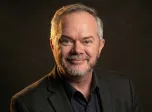
Dave Saunders is the founder of Base Reality Group and a Fractional CPO for product companies. He was a founder and operator at Galen Robotics, where the surgical-robotics platform earned FDA De Novo authorization in 2023, and he managed a 35-patent portfolio licensed from Johns Hopkins. He wrote Founders Who Finish and publishes The Build. More about Dave →